Regenerative Systems in Practice: Supporting Indigenous-Led Land Stewardship in the Amazon
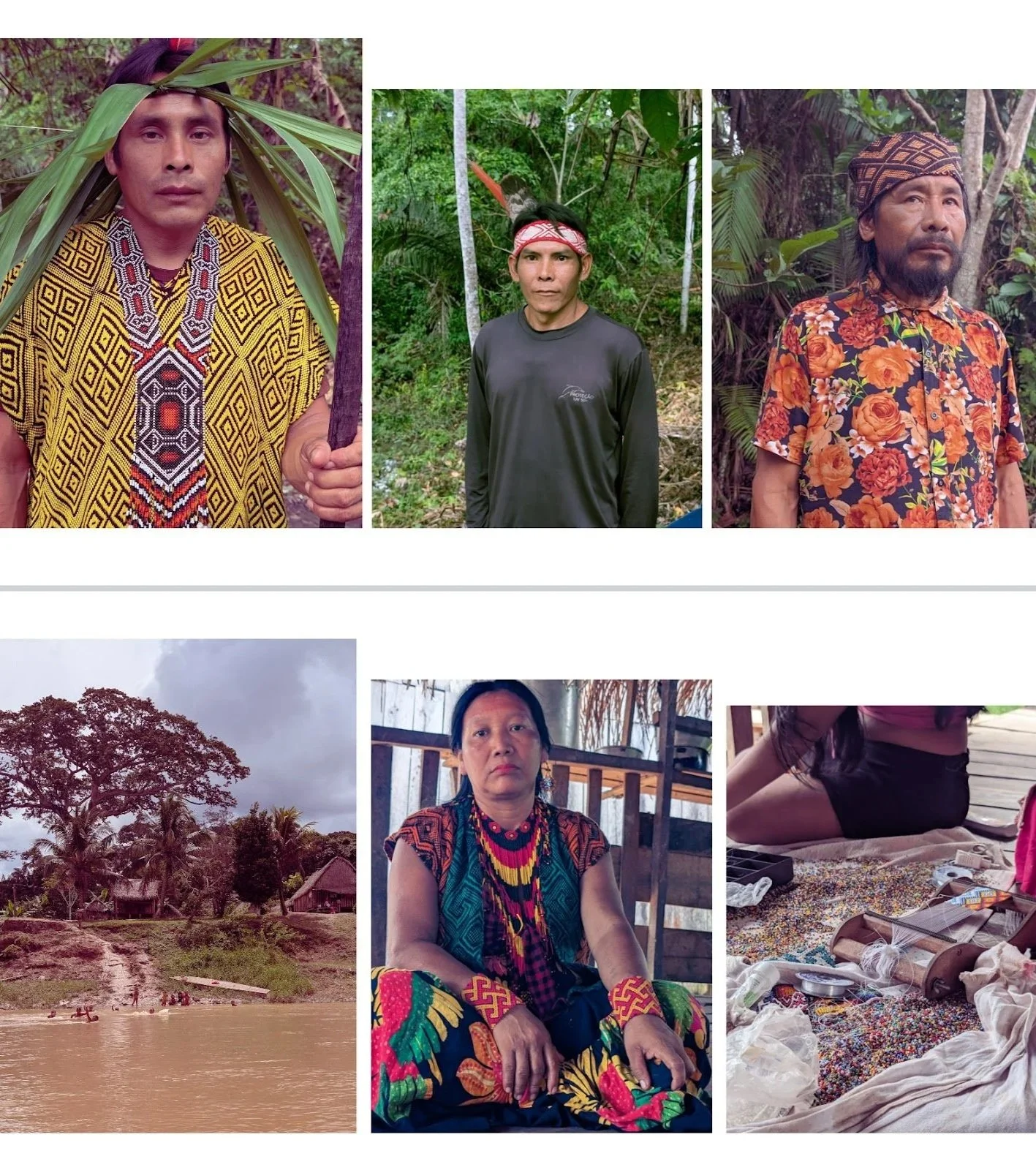
S3C is initiating a long-term regenerative systems project in collaboration with Indigenous Huni Kuin communities in Acre, Brazil. The initiative focuses on securing and restoring a 350-hectare former cattle farm located directly adjacent to the Huni Kuin’s traditional territory near Jordão, deep in the western Amazon. The project responds directly to a request and initiative from the Huni Kuin communities in the area, who have identified land access and food security as critical challenges for their future.
The land is currently for sale and at risk of being absorbed into further cattle expansion. If acquired, it will be transferred to Indigenous stewardship and become the foundation for a community-led regenerative system that integrates food production, ecological restoration, resilient construction methods, and local livelihoods.
This project is not only about conservation. It is about restoring biocapacity, autonomy, and long-term resilience in a region where Indigenous communities face increasing pressure from land scarcity, deforestation, and limited economic opportunity.
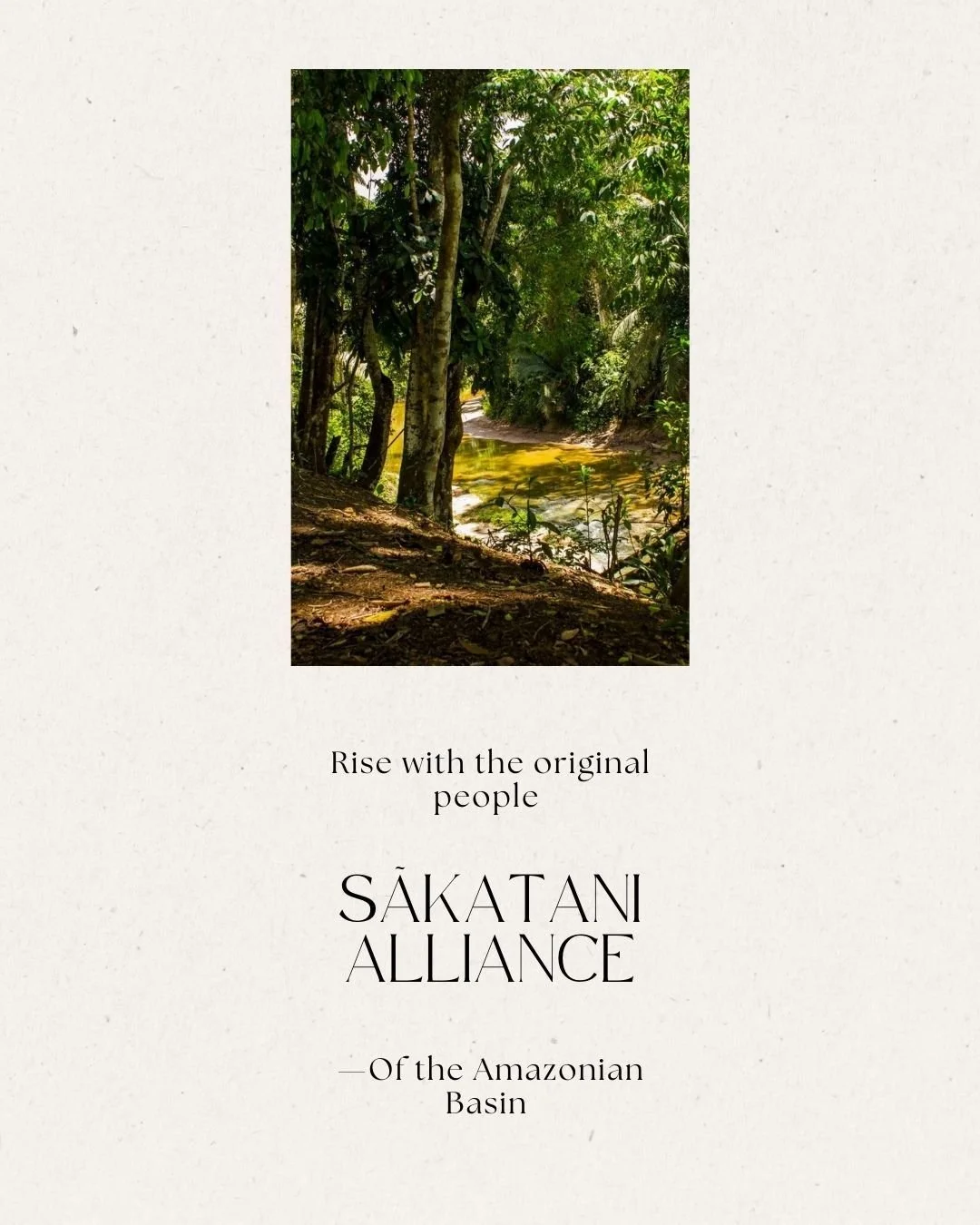
To enable this process in a transparent and accountable way, S3C and its partners have initiated the creation of Sãkatani Alliance, a dedicated foundation established to mobilize funding, hold land during transition phases, and ensure that ownership and long-term governance are transferred to Indigenous-led structures. The foundation operates in close collaboration with local communities, Indigenous leadership, and experienced NGOs, ensuring that the project follows best practices for land stewardship, Indigenous rights, and regenerative development.
S3C’s Role in the Project
S3C’s role is to design, integrate, and help implement a regenerative system that can sustain itself over time and be replicated in other remote regions.
Working alongside Indigenous leadership and local partners, S3C will contribute with:
Regenerative system design
Integrating agroforestry, aquaculture, local food markets, and circular resource flows into a coherent, climate-resilient system.Nature-based construction systems
Developing low-cost, insulating buildings using locally available materials such as clay, hemp, bamboo, and plant fibers. These structures enable storage, processing, and year-round use in a region with highly seasonal logistics.Circular economy and local value creation
Supporting systems where food production, construction, and local processing reinforce one another, reducing dependency on external inputs and transport.Operational and economic modelling
Designing a multi-year pathway where the farm can gradually cover its own operational and implementation costs through food production, local markets, and ethical supply chains.Scalability and replication
Using this site as a reference case for how regenerative systems can function in remote areas with limited infrastructure, with the potential to adapt the model to other regions and contexts.
S3C works closely with regional organizations and international organizations and NGOs, aligning the initiative with broader efforts around Indigenous land rights, ecosystem restoration, and long-term capacity building.
A Broader Collaborative Framework
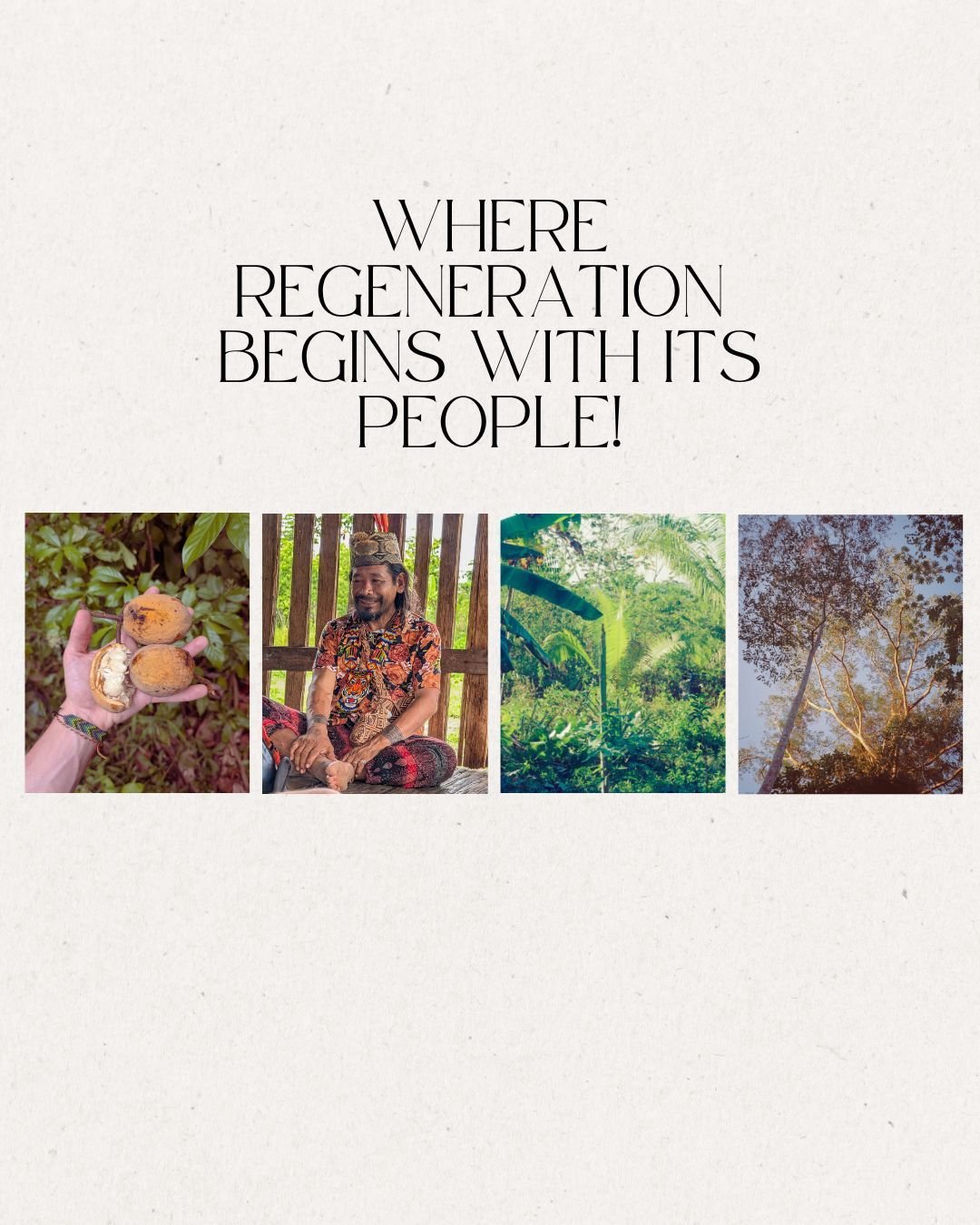
The land acquisition and initial fundraising efforts are being led through a parallel initiative coordinated by the Sakatani Alliance, a Nordic-based foundation working to mobilize resources, partnerships, and ethical buyers for regenerative products such as cacao.
S3C’s role begins once the land is secured and continues through the design, implementation, and gradual handover of operational capacity to Indigenous-led governance structures.
You can read more about the land initiative and the broader alliance here:
https://sakataniance.com
Building Regeneration Where It Is Needed Most
This project reflects S3C’s core mission: to move beyond isolated solutions and instead build integrated, regenerative systems that work with local conditions, cultures, and ecosystems.
By combining Indigenous knowledge, regenerative design, and practical systems thinking, we aim to support a future where communities are not only protected, but empowered to thrive on their own terms.
More updates will follow as the project develops.